Seamlessly replace legacy WLA & SOAP platforms with Workload Automation Modernization. Quickly build a scalable, modern workload automation today without any risks:
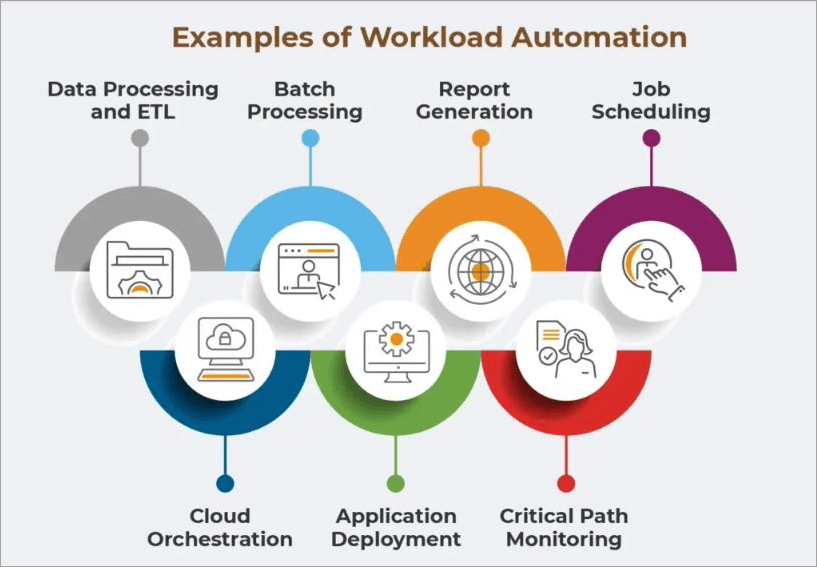
For years, most large enterprises have relied on legacy Workload Automation (WLA) and Service Orchestration and Automation Platform (SOAP) software to run a range of processes crucial to their functioning.
I am talking about running data transfers, batch jobs, etc. It is 2026, though, and things are changing.
Workload Automation Modernization: A Complete Guide
As organizations gradually transition to API-driven and hybrid-cloud architectures, the legacy platforms they’ve relied on for decades are showing their age.
[Via Automation Edge]
These legacy platforms are simply not capable of driving such a transformation. Stubborn organizations still depending on legacy WLA tools will eventually realize that they are not cost-effective and carry significant technical debt.
Refer to this video to understand the 5 reasons to modernize Workload Automation (WLA):
My purpose for writing this article is simple. I wish to highlight the structural risks associated with legacy WLA systems, why their modernization is essential, and how your organization can execute this without risk.
So, without much further ado, let’s dive in.
Why Legacy WLA Systems Create Structural Risk
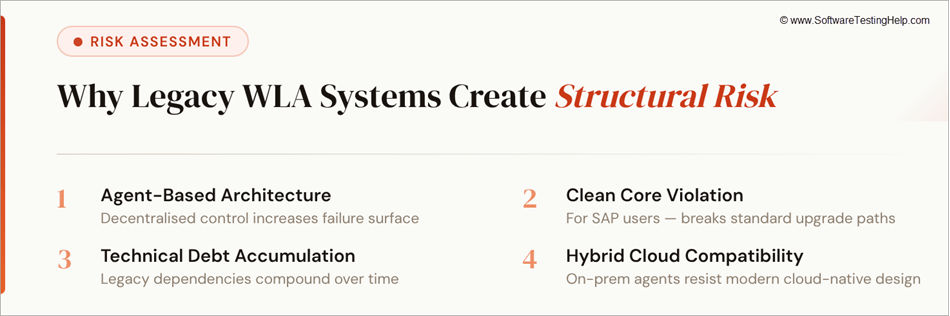
Organizations still latching onto legacy WLA systems do so because they believe it to be a “safer” option. After all, who would want to go through the hassle of replacing a system that’s already in place and running? By being complacent here, these organizations are ignoring several structural risks that will end up costing them dearly.
#1) Agent-Based Architecture
[Via Research Gate]
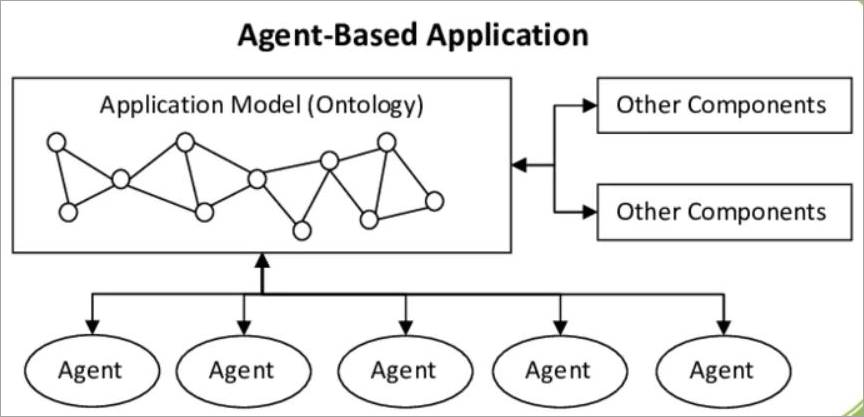
Legacy WLA platforms rely on agents installed locally on each endpoint, such as applications, databases, and servers. Allow me to explain with some numbers. If your organization handles around 2000 servers, you’ll have to manage around 2000 agents installed locally on each of these servers.
This will obviously push your maintenance overhead through the roof. You now have 2000 agents to monitor, patch, and update. In a zero-trust environment, organizations will experience their attack surface considerably widened.
#2) Clean Core Violation (For SAP Users)
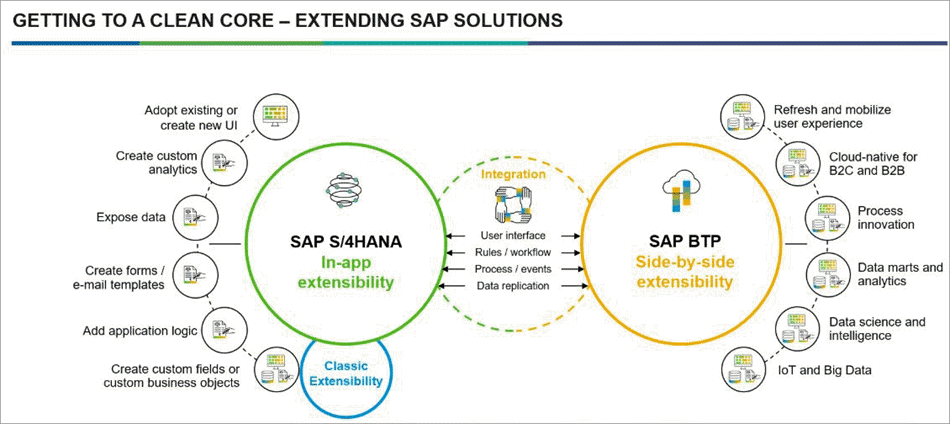
SAP users, especially those migrating to S/4HANA, are expected to adhere to what is known as the “Clean Core” principle. These principles basically dictate that an organization’s core ERP or SAP system should be free from all sorts of heavy-code customization.
[Via SAP Community]
Legacy WLA systems violate this principle by demanding tight, custom-coded integrations directly inside the SAP environment. This integration also results in poor agility and stalled innovation, as each SAP upgrade here involves tedious validation of automation scripts.
#3) Technical Debt Accumulation
Think of technical debt as a kind of financial debt that compounds over time with skyrocketing maintenance costs. Technical debt increases only when organizations continue to rely on older ERP systems to run their business’s critical functions.
In a way, perhaps technical debt accumulation is a problem unique to an organization going all-in on a legacy software solution. No doubt legacy WLA systems were phenomenal back in the day when they were first being implemented. However, organizations need to realize that these systems have become dated.
Their clunkiness causes labor and time-intensive manual workarounds. The absence of modern security features makes them susceptible to today’s cybersecurity threats. Furthermore, these legacy WLA systems aren’t capable of integrating with newly released technologies.
#4) Hybrid Cloud Compatibility
The developers specifically designed legacy WLA and SOAP platforms for on-premises data centers, where servers featured fixed IP addresses that seldom changed. Modern hybrid cloud or API-driven architectures were not designed for them.
While they are extremely effective in static environments, organizations will struggle with them for handling containerized workloads, such as in the form of Kubernetes. They facilitate very limited visibility into hybrid environments, thus significantly increasing the chances of operational risks.
Why Basic Migration Isn’t Enough
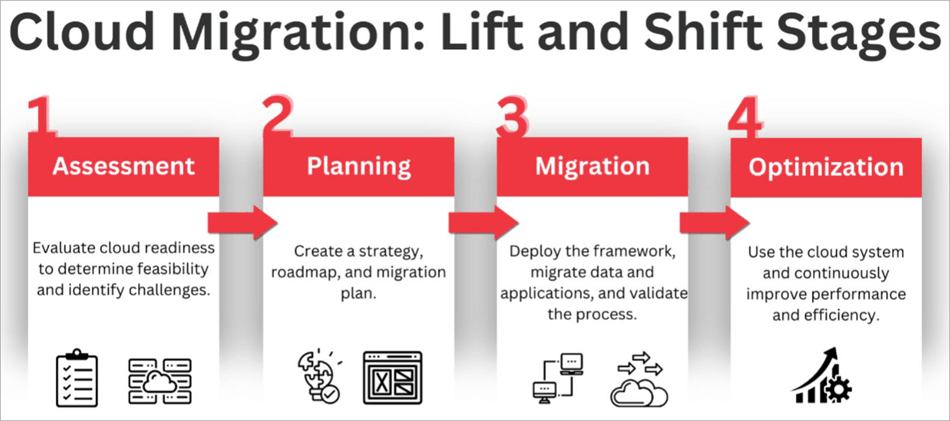
Migrating an agent-based, legacy WLA solution isn’t simple. Many organizations are under the impression that simply moving their legacy software to a cloud server will magically transform it into a modern cloud-native solution.
They need to understand that such a “lift-and-shift” approach to migration does not address the underlying core architectural problems here.
You’ll still need to manage thousands of locally installed agents, update the database, and patch the software. The “lift-and-shift” approach to migration does not make your operational burdens go away.
[Via Emergent Software]
Organizations trying to lift-and-shift a legacy tool also ignore or simply aren’t aware of the fact that these tools lack native API connectors for most modern SaaS applications like Salesforce. The developers are required to write multiple custom scripts just so the legacy WLA solution can interact with the cloud. This leaves room open for all kinds of failures.
Furthermore, legacy WLA tools depend heavily on SAP or XML-based messaging. Cloud ecosystems we have today rely exclusively on GraphQL APIs using JSON or nimble REST. Organizations will need complex SOAP-to-REST translations to have a legacy WLA platform connect with modern endpoints.
This complexity can lead to issues like formatting errors, latency, and performance bottlenecks in automated workflows down the line.
Shadow automation is another issue that basic migration can cause. Frustrated by the limitations of legacy solutions, an IT team may decide to purchase and set up its own automation tools. This results in unchecked process handling and sensitive data being managed outside the purview of IT governance.
This kind of “shadow automation” can trigger many critical risks, such as zero visibility, no audit trail, and privilege exposure.
What True WLA Modernization Requires
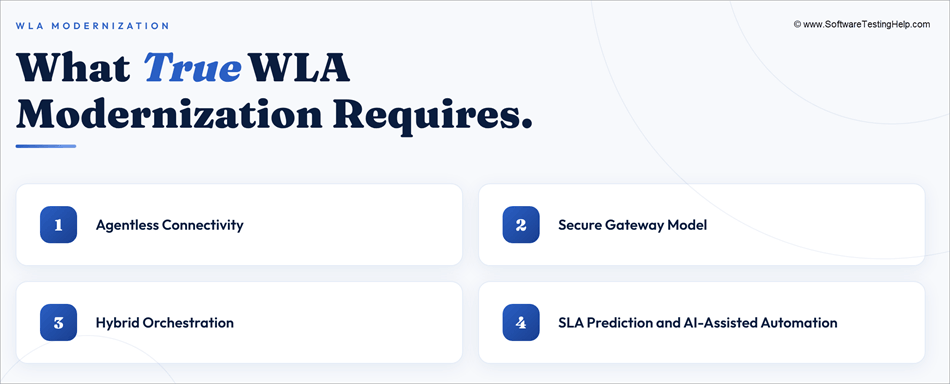
When you consider the structural risks we’ve just discussed, what true WLA modernization truly requires becomes quite obvious.
#1) Agentless Connectivity
Modern WLA tools facilitate agentless connectivity as opposed to their traditional counterparts. Modern WLA tools can orchestrate tasks directly using standard protocols. Unlike legacy tools, you don’t need to have agents installed locally on every endpoint.
This means you have better, more centralized control over tasks. You can save a ton of time and money that would’ve otherwise been spent on patching or managing endpoints. This also means quick onboarding of new servers, which now takes you only minutes rather than months.
The API-first architecture of modern WLA platforms reduces the risks associated with migration. Facilitating integration between legacy systems and cloud platforms is seamless. It is also easier to scale a business while maintaining headcount with such a platform.
#2) Secure Gateway Model
Security should be a priority when replacing legacy WLA systems. What organizations need is a modern WLA platform that leverages a secure gateway model to dramatically reduce their external attack surface. A secure gateway model entails the practice of establishing an outbound-only tunnel to a modern SaaS platform.
Secure gateways facilitate seamless integration between modern SaaS platforms and legacy on-premise solutions. The best part… they do so without opening inbound firewall ports, thus improving security posture.
#3) Hybrid Orchestration
True WLA modernization means getting rid of silos and better control over workflows. That is only possible with a platform that lets you manage workflows across a hybrid environment (on-premise and cloud).
What you need is a good modern WLA solution that ensures you have end-to-end visibility and centralized control. Hybrid orchestration ensures better governance of workflows across private cloud, public cloud, and on-premise systems.
#4) SLA Prediction and AI-Assisted Automation
WLA modernization is impossible without incorporating artificial intelligence and machine learning. You’ll need a modern solution that leverages AI and ML for automation and predictive insights. Unlike legacy solutions, which are reactive in nature, an AI-driven WLA platform will proactively assess a vast amount of data to make informed predictions.
For instance, a WLA platform leveraging machine learning will study historical data to anticipate probable issues. If there is a risk of an SLA being breached at 10:00 PM, such tools will alert your team of this possibility at 6:00 PM. The team will then have enough time on their hands to come up with a solution and avoid this breach before it is too late.
Modern WLA platforms with AI and ML capabilities ensure the timely availability of accurate data.
A Phased Modernization Framework
A sudden switch to modern WLA can come as a shock to your organization’s operations. My advice would be to take a phased approach to modernization.
Here’s what this framework would look like:
#1) Discovery and Audit
Discovery and Audit is the logical first step in modernizing your organization’s WLA system. You’ll need to carefully and vociferously audit your legacy platforms. The goal here is to ferret out jobs that are either useless or have become redundant.
You’ll need to be rigorous in your approach here, mapping out each critical business process orchestrated by your existing system. Note dependencies and delete jobs that you’ve found to be obsolete or redundant. You can proceed with migrating once this environment is thoroughly cleansed.
#2) Parallel Orchestration
In this next phase, you’ll need the modern platform to work hand-in-hand with the legacy solution. You can have both of these systems effortlessly communicate with each other by either using API bridges or integration connectors.
This way, when you execute a job in the legacy system, it can trigger a sequence in the modern tool. This is what I call parallel orchestration, and it will play an instrumental role in helping your organization maintain some semblance of workflow continuity during the transformation.
#3) Workload Consolidation
Start consolidating workloads for easy, hassle-free migration. I would suggest grouping your workloads according to several low-risk criteria. For instance, you can have workloads grouped based on their complexity, application, etc. Run these workloads in the new system after having them migrated.
#4) Technical Debt Retirement
With consolidated workloads settling in their new environment, it is now time to clean up the technical debt that has been accumulated over time. This would entail disabling old servers, uninstalling old agents, and deleting custom scripts.
Cleaning up your technical debt is an important phase, as this is where you’ll understand the impact WLA modernization has had on your operations.
#5) Innovation Enablement
With the technical debt taken care of, your organization can now focus on creating value within the new environment. Leverage AI and ML capabilities to enforce automation and data-driven insights to drive your decisions.
Choosing RunMyJobs as a Modernization Platform
Ultimately, the success of your WLA modernization endeavor hinges on the platform you end up choosing for your organization. You need a cloud-first, SaaS that boosts agility, innovatively uses AI, and does a flawless job of eliminating technical debt.
These are all qualities that compel me to hail RunMyJobs by Redwood as one of the finest modern WLA platforms you’ll find today. The platform addressed the structural risks associated with legacy solutions.
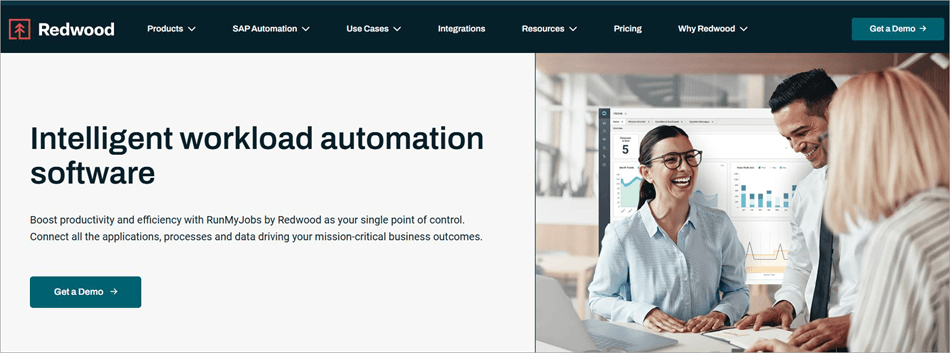
For starters, RunMyJobs adheres to SAP’s clean core principles. It stands tall as the only SAP-endorsed WLA solution in the RISE reference architecture. The platform meets the highest SAP standards, especially when it comes to performance, security, and integration.
RunMyJobs also facilitates agentless connectivity. The platform’s cloud-first architecture ensures easy scaling and orchestration of workflows across a hybrid environment. You don’t have to go through the hassle of managing multiple agents across several endpoints.
You can also expect intelligent automation and orchestration powered by AI. Building enterprise-grade automations on this platform is easy, even for non-technical and business users, and custom scripts can be created effortlessly using natural language prompts.
The platform also features Redwood Insights Premium to extend visibility to enterprise scale, with a no-code dashboard designer and advanced KPI tracking
Besides AI, RunMyJobs also utilizes machine learning to help you predict SLA breaches early on. Everything you need for true WLA modernization can be found with RunMyJobs.
Conclusion
The problem with still relying on legacy WLA solutions today is clear as day. They are difficult to scale, complex in nature, reactive in their capabilities, and add to your technical debt over time. So, it is frustrating to see organizations be complacent and refuse to modernize their WLA systems, making themselves vulnerable to operational risks.
Organizations need to understand that WLA modernization is the only path forward. Of course, the switch from legacy to a modern platform needs to be gradual rather than sudden. You also need a platform that promises exceptional performance, reliability, and security.
You’ll find that combination in RunMyJobs. It is an excellent option for IT and business leaders who seek operational stability and strategic innovation.
For more Workload Automation-related guides, you can explore our range of tutorials below:
- What Is Workload Automation (A Complete Guide)
- Workload Automation Vs Workflow Automation: A Comparison
- ActiveBatch Workload Automation & Scheduler Review Tutorial
- Top 5 Hybrid Workload Automation Software Tools
- The Top 10 Workload Automation Tools
- Top 6 AutoSys Alternatives For Workload Automation
- Top Workload Automation Migration/Consolidation Solutions
Was this helpful?
Recommended Reading
-

Read this comprehensive review of the finance automation solution called Record to Report Automation by Redwood to understand how does it work, its key features, and pricing: If you are a part of any finance team, you know that year-round there is a heavy amount of repetitive, manual tasks across…
-

This tutorial reviews the RunMyJobs by Redwood alternatives with features, pricing, and comparison to help you select the best RunMyJobs by Redwood Competitor: Redwood’s Workload Automation and Job Scheduling Software, RunMyJobs is a SaaS-based application for building reusable automation. It has low-code wizards, templates, and a drag-and-drop UI. It helps…
-
A systematic and insightful Redwood SAP review to unveil the seamless synergy and two-decade partnership between RunMyJobs by Redwood and SAP with features, pros and cons: SAP is arguably one of the most popular enterprise resource planning tools being actively used by businesses worldwide. It currently caters to over 269…
-
Select the right Workload Automation (WLA) Tool from this comprehensive list to manage your workload effectively. This article includes a list of the most popular Workload Automation software along with features, pricing, and comparison. Organizations of all types and sizes face these challenges of digital transformation i.e. the process of…