


Streamline the process for evaluating Top Insurance Policy Administration Systems. Select the best and most modern Core insurance platform to manage & automate various tasks across your P&C insurance operations:
A Policy Administration System (PAS) is a software platform that enables P&C insurers and MGAs to manage an insurance policy’s entire lifecycle. This includes a range of activities, from initial quote generation, underwriting, policy issuance, endorsements, and renewals, to the management of claims and payments.
The PAS is essentially the central software platform for managing and tracking all policy-related activities.
Table of Contents:
- Policy Administration: Top Cloud-Based Insurance Software
- Key Functions of a PAS
- Benefits of a Modern Policy Administration Software Platform
- Why are Policy Administration Systems Essential
- Types of Insurance Policy Administration Systems
- Comparing the Best Policy Administration Systems
- List of the Best Policy Administration Systems
- Conclusion
Policy Administration: Top Cloud-Based Insurance Software
Key Functions of a PAS
- Quote and Underwriting Management: PAS provides tools to create, manage, and convert quotes to policies. It also aids in the underwriting process by assessing risks and determining premium amounts.
- Policy Issuance and Management: Once a policy is underwritten, the PAS helps issue the policy documents and manages them throughout the policy term, including any modifications or endorsements.
- Renewals and Cancellations: The system tracks policy expiry dates, automates renewal processes, and manages policy cancellations, ensuring seamless policy lifecycle management.
- Billing and Payment Processing: PAS handles premium billing, payment processing, and tracking, offering various payment options and schedules for customers.
- Claims Management: In the event of a claim, the PAS helps in managing the claim process from initiation to settlement, ensuring a streamlined and efficient approach.
- Compliance and Reporting: Compliance with regulatory standards is critical, and a PAS ensures that all policy transactions comply with the current laws and regulations. It also facilitates the generation of reports for internal and regulatory purposes.
Benefits of a Modern Policy Administration Software Platform
- Efficiency and Productivity: Automating routine tasks and streamlining processes significantly reduces manual work, increasing efficiency and productivity.
- Business Growth: A modern core system simplifies adding new insurance lines, expanding into new territories, and attracting new agents.
- Accuracy and Compliance: A PAS minimizes human error and ensures adherence to regulatory standards, reducing the risk of non-compliance penalties.
- Improved Customer Experience: Faster processing times, accurate billing, and efficient claim handling lead to increased customer satisfaction.
- Data Analytics and Insights: Advanced PAS platforms offer analytics tools that provide insights into business performance, risk profiles, and market trends, aiding strategic decision-making.
- Flexibility and Scalability: Modern PAS solutions are scalable and adaptable to changing business needs, supporting the growth and diversification of P&C insurers.
A modern, robust Policy Administration System is not just a tool for managing insurance policies; it’s a strategic asset that can drive efficiency, growth, compliance, and customer satisfaction for P&C insurers. By choosing and effectively implementing the right PAS, insurers can significantly enhance their operational capabilities and position themselves for success in a competitive market.
Why are Policy Administration Systems Essential
Policy Administration Systems (PAS) are essential for P&C insurers and MGAs because they serve as the backbone of policy management, enabling insurers to efficiently handle the entire policy lifecycle-from quoting and underwriting to renewals and claims processing.
A modern PAS streamlines operations by automating routine tasks, reducing manual effort, and ensuring accuracy in policy issuance, billing, and compliance. It enhances customer experience with faster service, supports business growth by simplifying expansion into new markets, and provides valuable data analytics and reporting for strategic decision-making.
In today’s competitive insurance landscape, a robust PAS is not just a tool – it’s a critical asset that drives efficiency, compliance, and scalability, positioning insurers for long-term success.
Also Read =>> Insurance Domain Knowledge for testers
Types of Insurance Policy Administration Systems
Policy Administration Systems (PAS) come in different forms, each offering varying levels of functionality, integration, and scalability. Insurers must carefully evaluate these options to determine which best aligns with their business needs. The two primary types of PAS are single-point solutions and comprehensive suite solutions.
#1) Point Solutions
Single point solutions are standalone software applications designed to address specific insurance functions, such as policy administration, billing, or claims management. While each of these point solutions may offer deep functionality in their respective areas, they also present significant challenges:
- Integration Challenges: Independent modules often struggle to communicate with one another, leading to data silos, inefficiencies, and potential errors.
- Scalability Issues: As business needs evolve, single-point solutions may require costly integrations or additional software to keep up, resulting in a fragmented tech ecosystem.
- Higher Total Cost of Ownership (TCO): While point solutions may seem cost-effective initially, the ongoing expenses for maintenance, integration, and vendor management can quickly add up.
#2) Comprehensive Suite Solutions
Unlike point solutions, an all-in-one suite solution provides an integrated approach to policy administration, claims, billing, and customer management. These systems offer several advantages:
- Seamless Integration: A single platform eliminates data silos, ensuring smooth information flow between departments.
- Centralized Data Management: A unified database provides a 360-degree view of customers across policy, billing, and claims functions.
- Enhanced Operational Efficiency: Managing a single system reduces administrative overhead, allowing insurers to focus on customer service and business growth.
- Advanced Analytics & Reporting: Built-in analytics tools provide insights across all aspects of insurance operations, driving smarter decision-making.
- Scalability & Flexibility: Cloud-based suite solutions scale with business growth, enabling insurers to expand without requiring additional software modules.
- Improved Customer Experience: Digital-first capabilities, including mobile access and self-service portals, enhance engagement and satisfaction.
Suggested Reading => BEST CRM Software For Insurance Agents
Comparing the Best Policy Administration Systems
| System | Platforms (Hosted/Run) | Best For | Integrations | Pricing | Third-Party Ratings |
|---|---|---|---|---|---|
| BriteCore | Cloud-native SaaS | P&C insurers needing agility, rapid product configuration, and digital-first workflows | API-driven integrations with billing, claims, analytics, and portals | Pricing on request | ~4.3/5 (Software Advice, G2) |
| Damco InsureEdge | Cloud-based, configurable modular system | Mid-to-large insurers across multiple lines seeking automation and compliance | Integrates policy, claims, customer service, and workflows | Pricing on request | ~4.5/5 (G2, Software Advice) |
| Duck Creek | SaaS, cloud-hosted (Duck Creek OnDemand) | Large P&C carriers needing scalability and enterprise-grade policy management | Strong ecosystem integrations with billing, claims, rating, and third-party data | Pricing on request | ~4.6/5 (G2), ~2.8/5 (Gartner Peer Insights) |
| Finys | Cloud or on-premises | Regional carriers needing configurable workflows and fast rollout of P&C products | Pre-built integrations with rating bureaus, credit/MVR data, and reporting | Pricing on request | Generally favorable, ~4/5 (industry reviews) |
| Guidewire | Cloud-based InsuranceSuite | Large P&C insurers needing end-to-end lifecycle management and omnichannel engagement | Integrates policy, billing, claims, analytics, and digital portals | Pricing on request | ~3.1/5 (Software Advice), ~4/5 (SelectHub) |
List of the Best Policy Administration Systems
#1) BriteCore
Best for medium to large-sized carriers
Price: Request a quote from the vendor for pricing details.
Features:
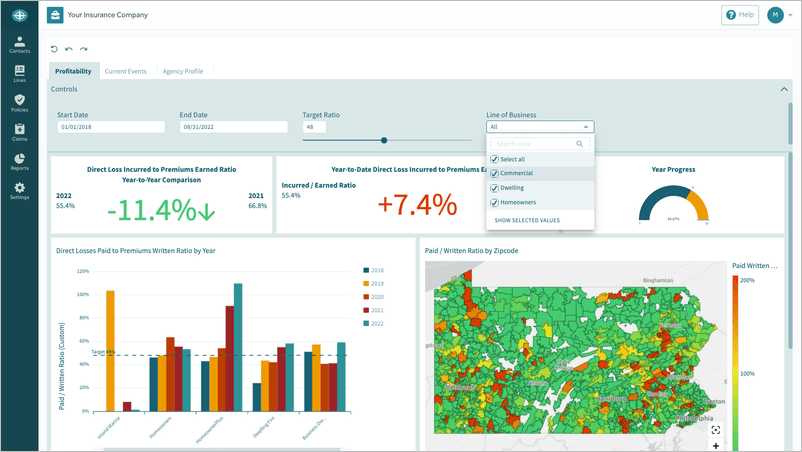
- Flexible, Cloud-Native Platform: BriteCore is a modern, cloud-native core insurance system designed for flexibility and scale. It allows carriers and MGAs to launch new products quickly, expand into new markets, and grow without the overhead of legacy infrastructure.
- Integrated Policy, Billing, and Claims: With BriteCore, you get a fully integrated suite covering policy administration, billing, and claims, all in one platform, streamlining operations and improving service speed and consistency.
- Agent and Insured Portals: Modern self-service portals make it easy for agents and insureds to quote, bind, pay bills, and submit claims, improving the overall user experience and reducing the burden on internal teams.
- Solution Marketplace and Seamless Integrations: BriteCore’s Solution Marketplace and open APIs make it easy to connect with leading third-party services – from payments to data providers – so insurers can extend the functionality of their core system and drive innovation without complex custom development.
- Real-Time Reporting and Data Access: BriteCore’s robust data and reporting tools offer real-time insights into key metrics, helping carriers and MGAs make informed business decisions and respond quickly to market changes.
Verdict: This vendor offers a modern, cloud-native core platform designed for midsize insurers and MGAs seeking flexibility, configurability, and end-to-end functionality. With a strong focus on ease of use, low-code tools, and scalable infrastructure, BriteCore supports agile implementation and long-term growth.
However, insurers with highly complex or legacy-dependent environments should carefully evaluate integration needs and organizational readiness for digital transformation. BriteCore is a strong fit for those prioritizing speed to market, self-sufficiency, and a modern user experience.
#2) Damco InsureEdge
Best For InsureEdge provided by Damco is suitable to the mid-to-large insurance providers in need of a flexible, configurable and centralized system to handle the entire policy lifecycle.
Pricing: Pricing on request.
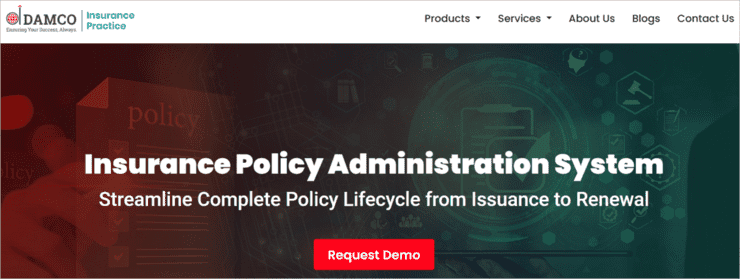
The InsureEdge of Damco is a powerful Insurance Policy Administration System that fits best to insurers who are interested in finding an automation tool, scalability and centralized policy management. It has a competitive presence in the insurances technology market through a range of modular functionality, simplified working processes, and robust compliance capabilities.
Features:
- Decentralized Policy Lifecycle Management: Damco offers one source of all the policy information including issuance to renewal. This further minimizes duplication and enables accuracy and enables the insurers to see updates and approvals in real time.
- Compliance and Automated Workflows: The system incorporates automation in policy approvals, compliance audits and communication processes. This reduces the human factor, hastens the processing and the observed compliance with regulatory standards.
- Configurable Architecture Modular: InsureEdge is lightweight and scalable, which implies that it can be configured by insurers to meet the requirements of particular product line or business rules. It is flexible and can therefore be used in a variety of insurance industries without a lot of customization.
- Customer Service Integration
Claims: Other than policy administration, Damco incorporates claims administration and customer communication applications. This overall attitude guarantees quicker resolution, higher customer satisfaction and coordination between policy and claims teams.
Verdict: InsureEdge, which is a program offered by Damco, is an up-to-date full-fledged insurance policy administration program. It has strong points in automation, configurability, and centralized data management that bring a great deal of inefficiency in the operations.
Although pricing transparency might also be better, the customized strategy will provide scalability to the various insurers. In general, Damaco is a solution of the highest quality to any insurers aiming to transform to a digital company and provides both efficiency and compliance assistance. The fact that it manages a variety of lines of business and claims helps it to be a formidable player in insurance technology market.
#3) Duck Creek
Best for large-sized carriers and MGAs
Price: Request a quote from the vendor for pricing details
Features:
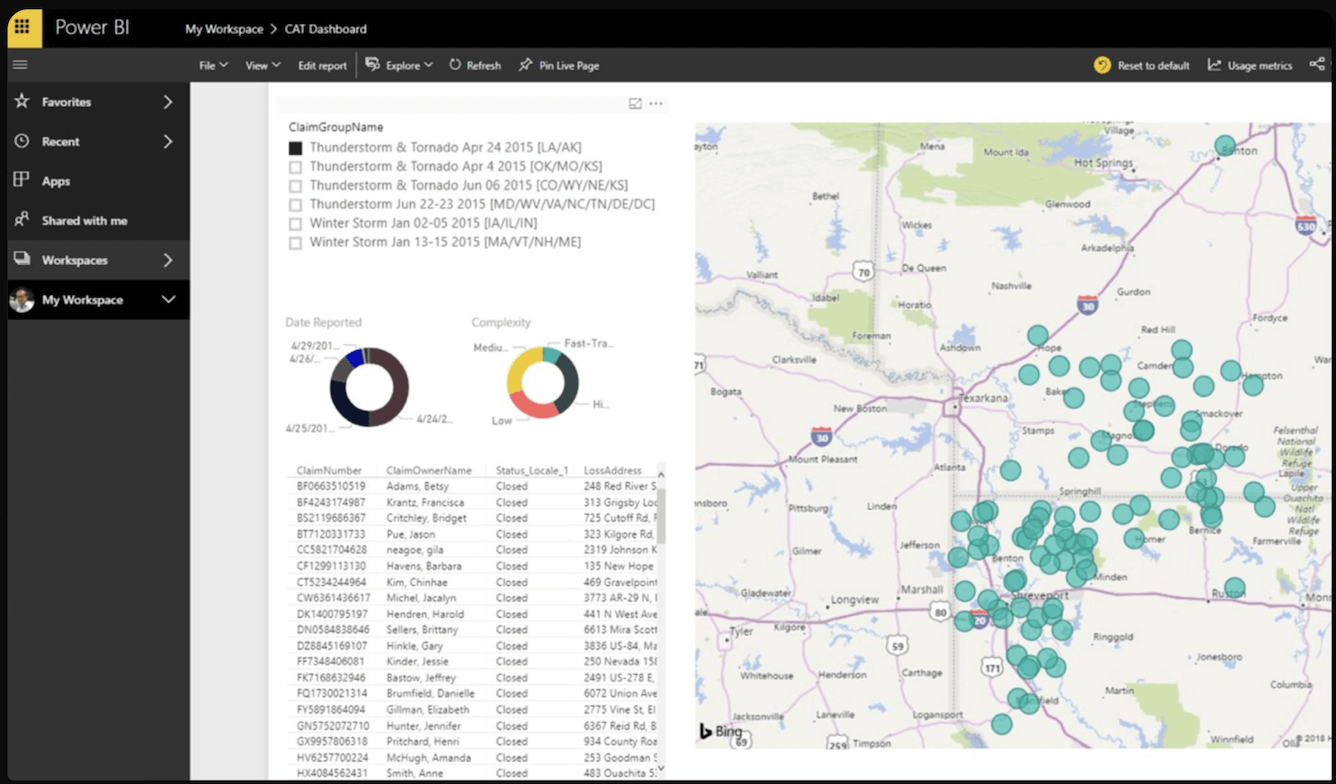
- Duck Creek provides their platform in the cloud for easy scaling and automatic updates.
- For operational efficiency, it integrates policy, billing, claims, and insights into one system.
- Duck Creek offers APIs for integration with third-party systems.
- It will provide enhanced customer and agent experiences through digital engagement tools.
Verdict: This vendor may not be the best fit for insurers looking for flexibility, efficiency, and rapid implementations. Steep implementation costs, long timelines, and challenges with configuration and third-party connectivity can hinder agility.
The lack of an all-in-one core platform and limited success in migrations may pose risks for insurers seeking a modern, scalable solution. Organizations should carefully assess these limitations against their operational needs and long-term growth strategy.
Website: https://www.duckcreek.com/product/claims-management-software/
#4) Finys
Best for small-sized carriers and farm mutuals
Price: Request a quote from the vendor for pricing details
Features:
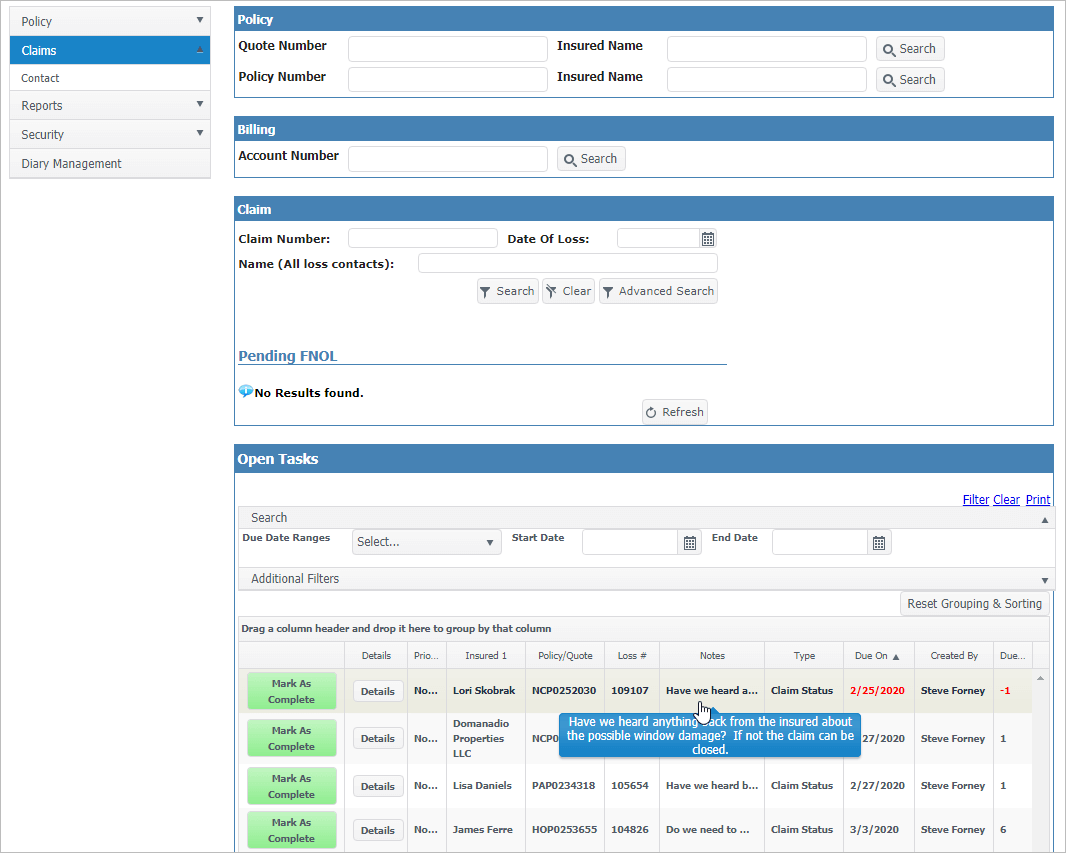
- Finys provides an integrated core system supporting policy, billing, and claims.
- It offers a configurable solution, allowing insurers to change products and workflows.
- Supports multi-line and multi-state operations through business rules.
- It offers deployment flexibility with cloud-based and on-premise options.
Verdict: This vendor offers a system for insurers needing broad functionality and an ecosystem of integrations. Concerns around an aging tech stack, dated UI, and limited implementation resources could lead to longer deployment timelines and potential challenges with system upgrades.
Insurers should weigh these factors, particularly if seeking a modern, scalable solution with a more agile implementation process.
Website: https://finys.com/suite/
#5) Guidewire
Best for large-sized carriers
Price: Request a quote from the vendor for pricing details
Features:
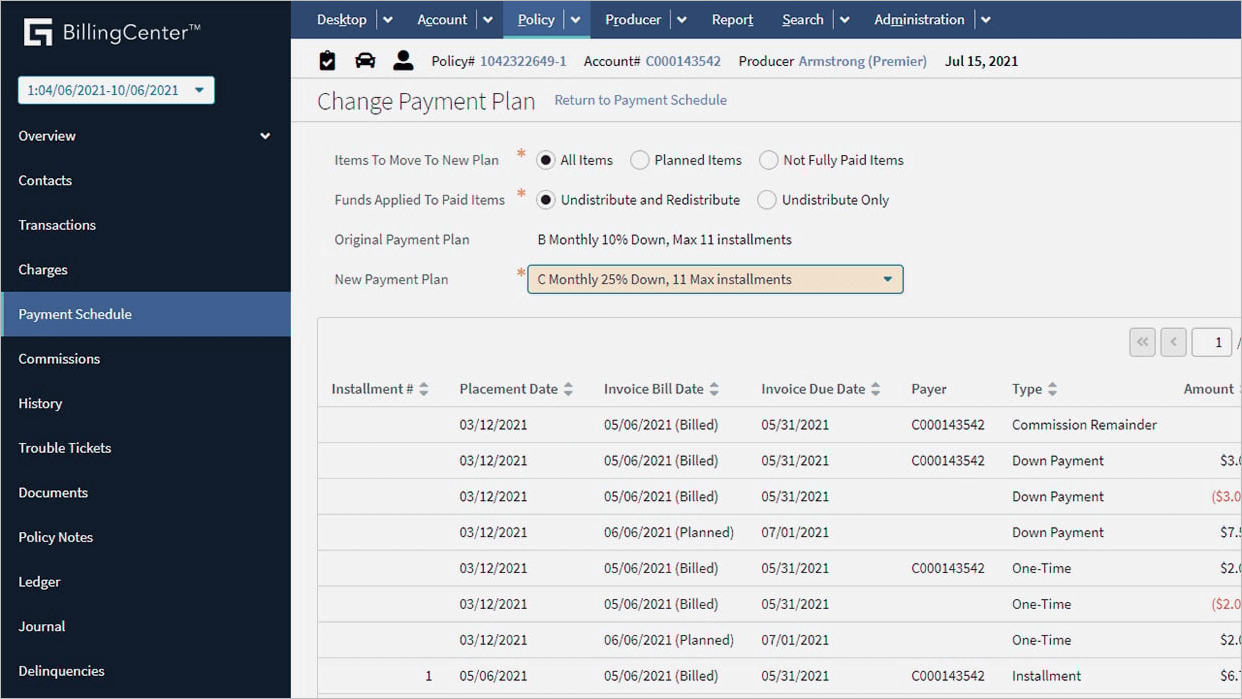
- Guidewire provides an insurance system covering policy, billing, and claims.
- It offers a cloud-based approach for scalability and real-time updates.
- For improved decision-making, it leverages advanced reporting and analytics. It includes configuration tools for product and workflow adjustments.
- It provides global reach and support for complex multi-line, multi-region operations.
Verdict: This vendor presents challenges for insurers seeking agility and modernization. Slipping implementation schedules, difficulties with upgrading and maintaining on-premises systems, and reliance on ‘Legacy 2.0’ technology may limit scalability and long-term efficiency.
Insurers looking for a future-proof, flexible solution should carefully evaluate these constraints before committing.
Website: https://www.guidewire.com/products/core-products/insurancesuite
#6) Insuresoft
Best for medium to large-sized carriers and MGAs
Price: Request a quote from the vendor for pricing details

Features:
- Insuresoft provides an all-in-one system for policy, billing, and claims with built-in automation.
- It offers a configurable product engine for adjustments to rates and product details.
- It is cloud-hosted and designed for secure, high-performance operations. It includes agent and policyholder portals for self-service access.
- It provides real-time mobile access for greater flexibility and responsiveness.
Verdict: This vendor may struggle to meet the needs of insurers seeking speed, flexibility, and data-driven decision-making. Painful delays in launching new lines, slipping schedules, and challenges with upgrading and maintaining on-premises systems can create operational inefficiencies.
Additionally, limited reporting and analytics capabilities, combined with reliance on legacy technology, may hinder innovation and scalability. Insurers should carefully assess these limitations when considering their long-term technology strategy.
Website: https://www.insuresoft.com/
#7) Insurity
Best for large-sized carriers and MGAs
Price: Request a quote from the vendor for pricing details
Features:
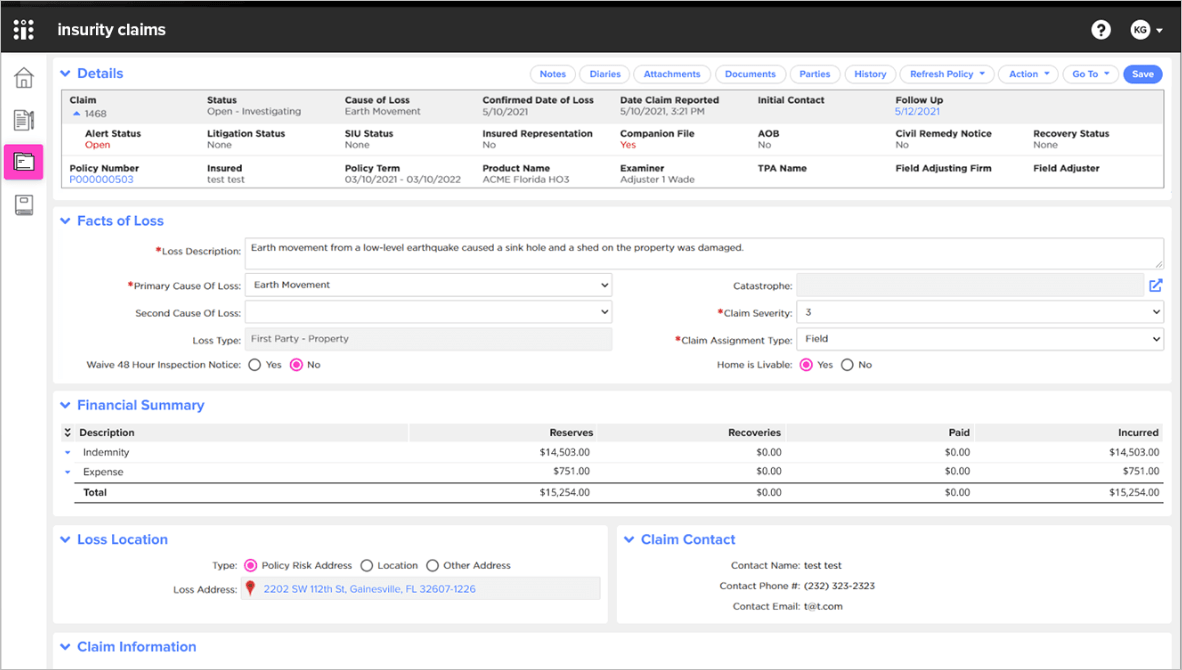
- Insurity provides a cloud-native platform built for scalability and performance.
- It offers flexible policy administration to support multiple lines of business.
- For better insights, it includes predictive modeling, reporting, and analytics capabilities.
- It integrates with third-party systems through APIs.
- It provides automated workflows to simplify underwriting, claims, and policy servicing.
Verdict: This vendor’s extensive portfolio of over 50 products and services may come at the cost of focus, innovation, and dedicated client support.
A lack of a clear innovation path, coupled with challenges in configuring new lines, expanding into new regions, and optimizing operations, could hinder insurers from seeking agility and growth. Organizations should weigh these limitations against their need for a streamlined, future-ready solution.
Website: https://insurity.com/insurity-platform/claims
#8) Majesco
Best for large-sized carriers and MGAs
Price: Request a quote from the vendor for pricing details
Features:
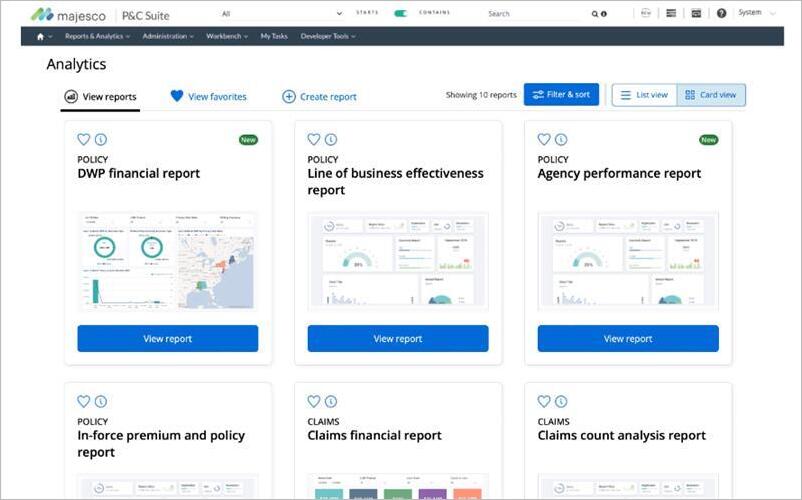
- Majesco provides a core insurance system supporting underwriting, policy, billing, and claims.
- It offers AI functionality to enhance decision-making and risk management.
- For faster market entry, it offers quick product changes and configurability.
- It offers a cloud version for scalability and real-time updates.
- It provides multi-line support for personal, commercial, and specialty lines of business.
Verdict: This vendor may not be ideal for insurers prioritizing speed, efficiency, and modernization. Lengthy timeframes for launching new insurance lines and streamlining operations, combined with limited ROI, slipping schedules, and challenges in maintaining a patchwork of on-premises systems, can create significant operational roadblocks.
Reliance on outdated legacy technology further limits scalability and innovation. Insurers should carefully assess these drawbacks when evaluating long-term technology investments.
Website: https://www.majesco.com/core-software-insurance-solutions/pc-coreconnect/
#9) Mutual Expert
Best for small to medium-sized carriers
Price: Request a quote from the vendor for pricing details
Features:
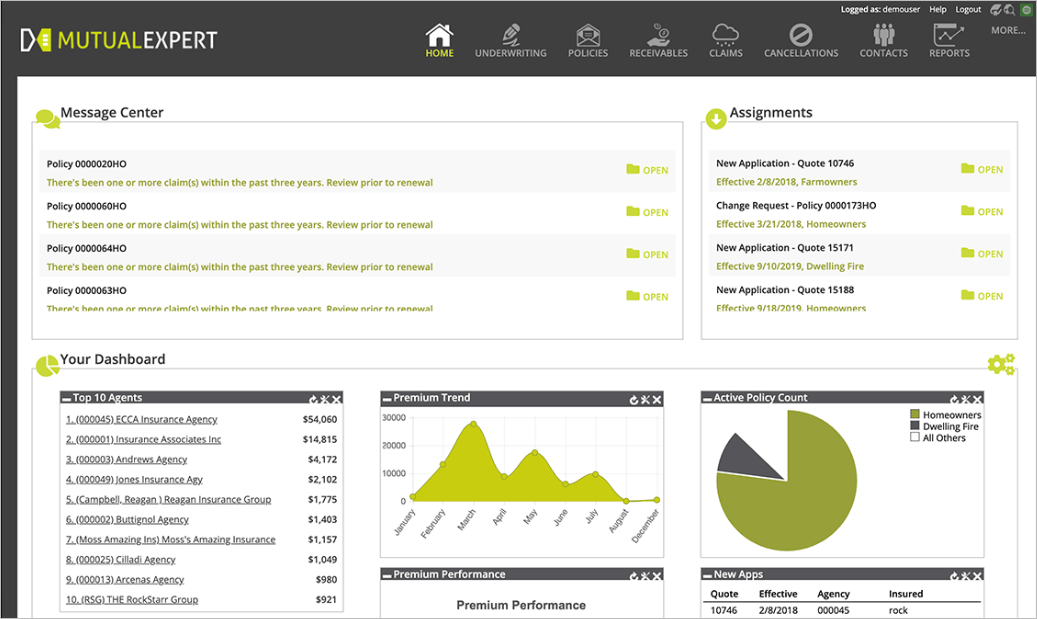
- Mutual Expert provides a system tailored specifically to the needs of mutual insurers, ensuring specialized support.
- It integrates policy, billing, and claims into a single system for streamlined operations.
- For faster product launches, it offers configuration and customization options.
- It includes member-focused features like dividend calculations and member management.
- It offers deployment flexibility with both cloud and on-premise options.
Verdict: Mutual Expert may not be the ideal solution for insurers focused on rapid innovation and complex product customization.
While it offers specialized features for mutual insurers, its system lacks the flexibility and scalability needed for broader, multi-line operations. The member-focused design, while beneficial for mutual carriers, could present limitations for insurers expanding into new markets or product lines.
The system’s configuration options and third-party integration capabilities may be more limited compared to larger, more modern platforms. Insurers should evaluate these limitations against their long-term strategic objectives.
Website: https://mutualexpert.com/carrier/
#10) OneShield
Best for medium to large-sized carriers
Price: Request a quote from the vendor for pricing details

Features:
- OneShield provides a unified system for policy, billing, and claims management.
- It offers customizable workflows to automate business processes.
- For deployment flexibility, it offers both cloud and on-premise hosting.
- It includes self-service portals for improved customer and agent interactions.
Verdict: OneShield may not be the best choice for insurers seeking high-speed deployments and low-code product customization. The system’s flexibility in supporting both cloud and on-premise options can lead to increased complexity and longer implementation timelines.
While its customizable workflows provide operational benefits, they may require significant configuration effort, reducing the ability to quickly respond to market changes. Limited success with large-scale migrations and complex third-party integrations may pose challenges for insurers aiming for seamless digital transformation.
Organizations should carefully consider these factors when assessing their long-term scalability and agility needs.
Website: https://oneshield.com/
#11) Sapiens
Best for medium-sized carriers
Price: Request a quote from the vendor for pricing details
Features:
- Sapiens provides a core system for policy, billing, and claims management, supporting the entire insurance lifecycle.
- It offers a modular design, allowing insurers to implement only the components they need.
- For better decision-making, it provides advanced analytics with real-time insights.
- It supports digital engagement through customer and agent portals for enhanced communication.
- It offers flexible deployment options with both cloud and on-premise availability.
Verdict: Sapiens may not be the best fit for insurers seeking rapid product configuration and open integration with modern ecosystems. Its modular design, while comprehensive, can lead to longer implementation timelines and higher costs as insurers customize and integrate components. The system’s complexity may also result in slower product adjustments and limited agility when responding to market shifts.
Some insurers have faced challenges with real-time data access and API-based connectivity, which could hinder efforts to modernize customer and agent experiences. Carriers should evaluate these limitations in the context of their growth and digital transformation strategies.
Website: https://sapiens.com/
#12) Silvervine
Best for small to mid-sized carriers
Price: Request a quote from the vendor for pricing details.
Features:
- Silvervine provides a core system that combines policy, billing, and claims management.
- It includes agent and customer portals for a self-service experience.
- It offers a customizable rating engine supporting multi-state, multi-line business.
- It offers deployment flexibility with both cloud and on-premise options.
Verdict: Silvervine may not be the best fit for insurers seeking advanced scalability and configurability. Its legacy core system is designed for smaller to mid-size insurers, which may limit its ability to support high-volume, multi-line, and multi-region operations.
The system’s reliance on on-premise options may limit flexibility for carriers prioritizing cloud-based scalability and real-time updates. Organizations should carefully weigh these factors against their growth and operational efficiency goals.
Website: https://silvervinesoftware.com/
#13) Socotra
Best for large-sized carriers and MGAs
Price: Request a quote from the vendor for pricing details
Features:
- Socotra provides a bare-bones cloud-native system designed for speed and customization in the insurance market.
- It offers an open API architecture, allowing easy integration with third-party systems.
- For product innovation, it includes flexible configuration tools for quick policy and product updates.
- It supports multi-line and multi-region operations with a single system.
Verdict: Socotra may not be the right solution for insurers requiring deep industry-specific functionality and complex underwriting capabilities. While its cloud-native, API-first design allows for custom deployment and product changes, the platform’s relatively lightweight feature set may not fully meet the needs of insurers managing complex, multi-line operations.
Its real-time data capabilities, while valuable for insights, may lack the depth of reporting and compliance features needed for highly regulated markets. Insurers should carefully assess whether Socotra’s streamlined approach aligns with their long-term operational complexity and market expansion needs.
Website: https://www.socotra.com/
Further Reading => Best Cyber Insurance Companies in the Market
Conclusion
A Policy Administration System (PAS) is essential for insurers to efficiently manage the entire policy lifecycle, from quoting and underwriting to renewals, billing, and claims. A modern PAS enhances efficiency, accuracy, and customer experience while ensuring scalability and compliance.
BriteCore is our top recommendation for a modern, cloud-native PAS. Other recommended Policy Administration Systems include Guidewire, Duck Creek, Insurity, and Majesco.
BriteCore offers a comprehensive suite of solutions that seamlessly integrates policy administration, billing, and claims management into a single platform. Unlike standalone point solutions, BriteCore eliminates data silos, enhances operational efficiency, and provides comprehensive analytics for smarter decision-making.
Recognized by insurers for its flexibility, scalability, and digital-first experience, BriteCore empowers insurers to streamline operations and drive long-term growth.
Was this helpful?
Recommended Reading
-

Are you thinking to increase productivity by automating business processes? Read this review to compare and select the best CRM Software for Insurance Agents: CRM software for insurance agents is a vital system that helps them streamline their customer relationship management from lead capture and workflow automation to activity tracking,…
-

In this tutorial, you will understand how to test an Insurance domain application and are the different modules to be tested in an Insurance Application. Each and every insurance company relies on various types of software that will help them to run their business. This software application helps them in…
-

Insurance Domain Knowledge for testers: We live in an unstable world and the catastrophic events like the Tsunami Disaster, earthquake, flood, volcanic eruptions etc., remind us that anything may happen anytime. And the compensation against such loses is a remarkable one. Thus Insurance is the sole factor that supports human…
-
The safest way to deal with cyber breaches is to prevent them from happening. Read this review to compare the top Cyber Insurance Companies to protect your business: Cyber risk is one of the largest threats facing all types and kinds of businesses today. Cyber attack insurance companies help businesses…


